

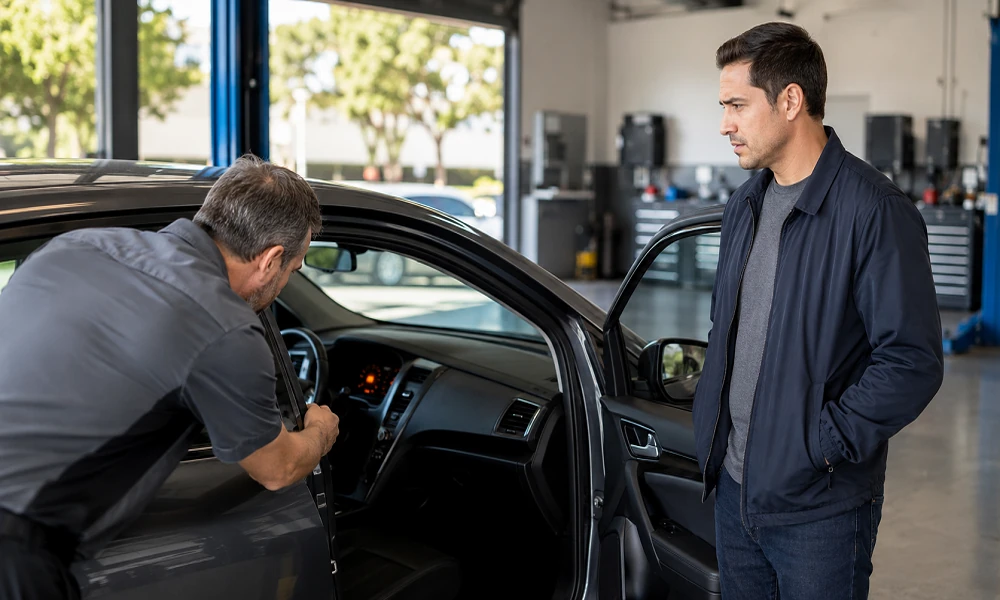
A new warning light does not automatically make a vehicle defective under California law. Cars can need routine adjustments, software updates, or isolated repairs. The concern grows when the same problem recurs, the vehicle spends extended periods at an authorized repair facility, or a defect compromises safe and reliable use.
Owners do not need to diagnose the engineering cause themselves. They do need to report symptoms clearly, give the manufacturer a reasonable opportunity to repair covered concerns, and preserve a complete record. Several practical warning signs can show when an ordinary service issue deserves closer attention.
The Same Symptom Keeps Coming Back
Repeated symptoms are often more important than changing part names on repair invoices. A car may return for stalling, loss of power, brake vibration, battery drain, steering trouble, water intrusion, or an infotainment failure. The dealer may try a sensor, module, update, or adjustment at each visit. If the driver’s underlying complaint remains, the history can still show an unresolved pattern.
Describe what happens, when it happens, and how it affects the vehicle. Ask the service adviser to put that complaint on the repair order in accurate terms. California’s official vehicle-warranty FAQ explains that protection turns on an inability to repair a covered vehicle after a reasonable number of attempts, not merely on the label a shop gives each visit.
The Problem Affects Use, Value, or Safety
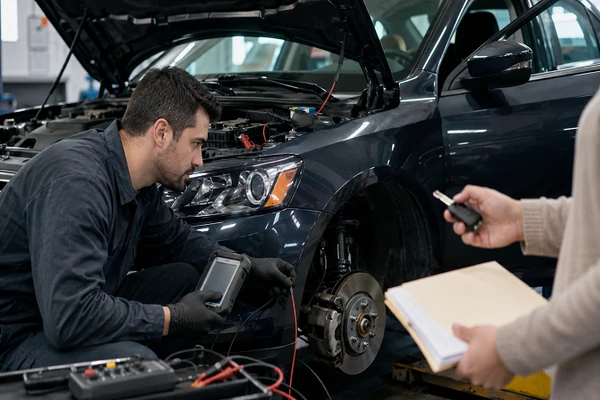
Some defects create obvious danger, including brake failure, steering loss, sudden power loss, fuel leaks, overheating, or airbag warnings. Other problems can substantially interfere with normal use or value even when the vehicle still moves. Chronic no-start conditions, severe water leaks, repeated transmission faults, inoperative cameras, or major electrical failures can make daily driving uncertain.
The key question is the real effect of the condition. Frequency, severity, repair history, and the vehicle’s purpose all matter. Owners researching lemon law cars should focus on their own documented defects rather than assume that a brand ranking proves or defeats an individual claim.
Repair Visits Become a Cycle
A growing file of repair orders is a clear reason to pause. Watch for repeated instructions to return later, parts replaced without lasting improvement, lengthy backorders, or multiple visits marked “could not duplicate.” A no-fault-found entry does not erase a reported problem, but owners should record the circumstances that make it appear. Photos, video, dates, weather, speed, and dashboard behavior can help a technician reproduce an intermittent concern.
Consumers also have rights in ordinary repair transactions. The California Bureau of Automotive Repair summarizes auto-repair documentation and authorization rights, including estimates, approvals, invoices, and access to replaced parts on request. Warranty work can involve additional rules, but complete repair paperwork remains essential.

Days Out of Service Keep Adding Up
Time in the shop can matter even when different repair attempts involve the same broader warranty concern. Owners should track drop-off and pickup dates independently, as an invoice may not make cumulative downtime clear. Note whether the vehicle was waiting for diagnosis, parts, testing, or final approval. Keep rental and rideshare receipts, towing records, and messages about delays.
California has a statutory presumption that can apply to certain vehicles and repair patterns within an early ownership window, but it is not the only route to a claim. Falling outside a presumption does not automatically end the analysis. A reasonable number of opportunities can depend on the seriousness of the defect and the full history.
Recall Repairs Do Not Answer Every Question
A safety recall and a warranty claim can overlap, but they are not identical. A recall may include a repair campaign for a defined condition, while an owner’s vehicle may exhibit additional symptoms or have an unsuccessful repair history. Check the vehicle identification number for open campaigns, complete reasonable recall work, and keep the resulting invoice. The existence or absence of a recall does not alone determine whether the individual warranty record supports further relief.
The Manufacturer’s Response Becomes Unclear
Owners should be cautious when a manufacturer closes a complaint without explaining the basis, offers a small payment tied to a broad release, or directs the consumer between the dealer and a call center without addressing the repeated concern. Do not sign a settlement, trade the vehicle, or discard records before understanding how those choices may affect available remedies.
A documented pattern deserves a fact-specific review. Seven Law Group offers free case evaluations for California owners facing persistent warranty problems. Visit the firm’s website to review the repair timeline and learn which next step may be appropriate for the situation. This article is general information, not legal advice; eligibility and outcomes depend on the individual facts and current law.
