

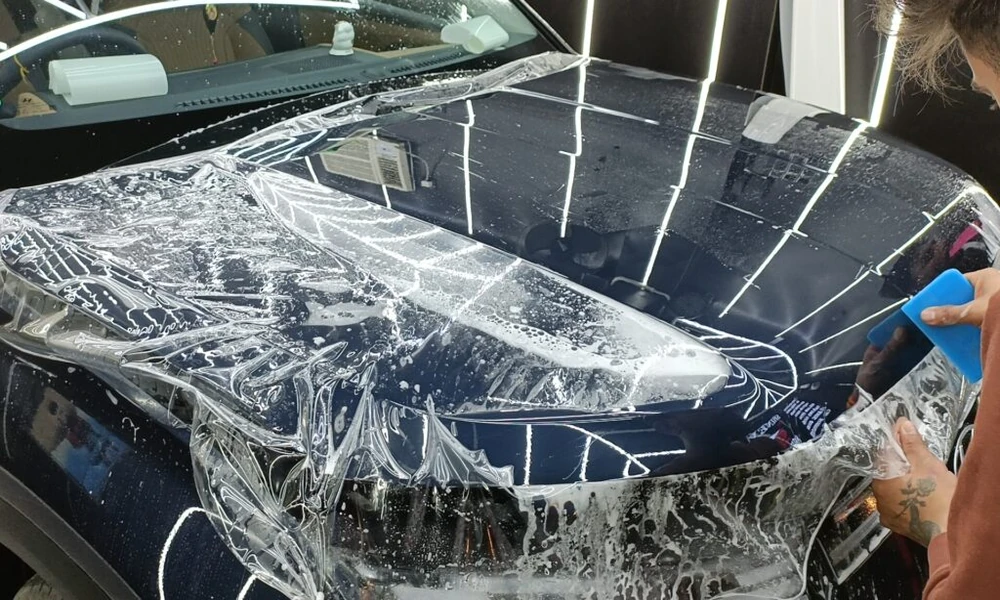
Daily freeway driving can leave tiny marks across fresh paint. Loose gravel, road debris, and airborne grit strike quickly at highway speeds. Over time, those impacts create chips that dull an otherwise clean finish. For drivers seeking San Leandro PPF services, paint protection film offers a practical barrier against this damage. The material absorbs minor impacts before paint takes the hit. Proper installation also preserves the vehicle’s appearance without changing its original color.
Highway Debris Creates More Than Surface Marks
Freeway speeds turn small particles into paint hazards. Gravel can strike bumpers, hoods, mirrors, and rocker panels. Repeated impacts may expose primer or bare metal. Once damage reaches deeper layers, correction becomes more complicated. PPF creates a sacrificial surface over vulnerable painted areas. The film takes the initial force instead of the finish.
- Gravel can chip exposed bumper sections.
- Dust particles may create fine abrasion.
- Road grit reaches front-facing panels quickly.
- Paint repairs can become increasingly noticeable.
Which Areas Take The Hardest Hits?
Front-facing surfaces receive the greatest exposure during commuting. The hood, bumper, fenders, and mirror caps sit directly in the debris path. Lower doors can also collect kicked-up material from surrounding traffic. Strategic coverage therefore matters more than covering every painted panel. A tailored installation targets areas facing repeated impact.
PPF Installation Protects Daily Driving Zones
Quality San Leandro PPF services can match film coverage with commuting patterns. A technician can identify panels needing stronger protection first. Clear film preserves the factory finish while forming a physical shield. Modern materials can also resist staining from common road contaminants. That combination makes protection useful beyond stone-chip prevention.
- Hood coverage guards frequent impact zones.
- Mirror protection reduces exposed-edge damage.
- Bumper film handles direct debris strikes.
- Rocker coverage shields lower painted sections.
- Custom cuts follow the vehicle’s contours.
Does Film Affect The Vehicle Finish?
A properly installed film should preserve the original visual character. Clear polyurethane allows factory paint color to remain visible. Its surface can also provide resistance against light scuffs and contamination. Installation quality remains crucial because trapped debris or poor edges can distract from appearance. Clean preparation produces smoother seams and stronger adhesion.
Smart Coverage Starts With Commute Patterns
Protection works best when coverage reflects actual road exposure. A driver covering hundreds of freeway miles faces different risks from occasional city use. Traffic density, following distance, and construction routes also influence debris exposure. For frequent commuters, front-end coverage often delivers the strongest practical value. Additional panels can follow based on observed wear.
Small Chips Can Change Repair Decisions
Paint chips may seem insignificant until exposed metal begins collecting moisture. Repeated damage can create a patchwork appearance across high-impact areas. Preventing those marks preserves more than surface gloss; it protects future repair options. A protected hood can retain consistent factory paint while surrounding panels age naturally. That difference becomes noticeable during resale preparation or professional detailing.
The First Gravel Strike Matters
A single freeway commute can create the first visible chip. After that mark forms, surrounding paint becomes harder to preserve consistently. PPF changes the equation by placing a replaceable barrier ahead of factory paint. That makes protection less about appearance alone and more about controlling future repair needs. The smallest gravel fragment can start that decision.
