

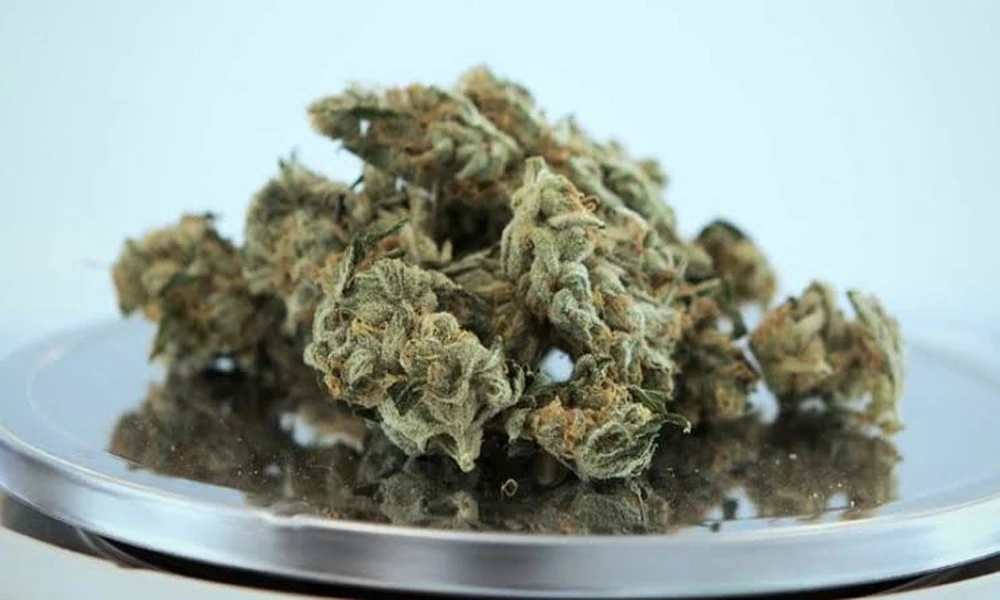
In their consideration of hemp-derived flower products, buyers are bound to find it visually appealing right from the first look. Color, texture, scent, and packaging may hint at the freshness of the product or the quality of its storage, although none of these factors in itself is a decisive one. In order to evaluate delta 8 flower adequately, buyers must combine information derived from sensory perception and lab data with product details.
First Impressions: What the Bud Reveals
A good-quality product will feature a clearly identifiable structure, not appearing pressed or poorly handled. Buyers may use texture, appearance of trichomes, and homogeneity among various buds to judge the product and consider such signs as excessive dryness, discoloration, or poor storage practices a reason for a more thorough examination.
However, looks alone should not determine a buyer’s decisions entirely since flower may differ in terms of cannabinoid content and cultivation greatly despite being visually appealing.
Follow the Aroma Trail
The smell of the product is another characteristic that most consumers consider when making their selection of the product. The smell is produced as a result of terpenes and can be earthy, herbaceous, citrusy, floral, or pine. The strong smell will make the product appear attractive to buyers. But it is crucial to realize that the smell alone does not ensure the content of the cannabinoids or the quality of lab tests. When assessing delta 8 flower, buyers must use information from testing along with information about the scent.
Texture, Freshness, and Storage
Texture also provides hints regarding handling and storage. The properly stored flower should not be overly dry or unusually humid; proper packaging helps retain physical properties of the product.
Freshness is particularly important since the conditions of storage affect aroma, texture, and looks of the product. Buyers should consider packaging dates and storage conditions of the product.
Sensory Clues Need Supporting Evidence
Some of the best assessments arise by merging what consumers see with information that is not immediately observable through their senses. The latest certificate of analysis will have clear details of the cannabinoid content of the product and even contaminants, if any, depending on the type of the testing process used. Ingredient lists and batch numbers will also offer additional information for you to use.
Putting the Pieces Together
In any case, evaluating delta 8 flower products requires going further than simply selecting the product based on the most impressive buds or smell. Appearance and aroma will certainly help you evaluate the physical attributes of the products but lab reports and sources of the flower will give you more evidence than sensory evaluation will do for you.
