

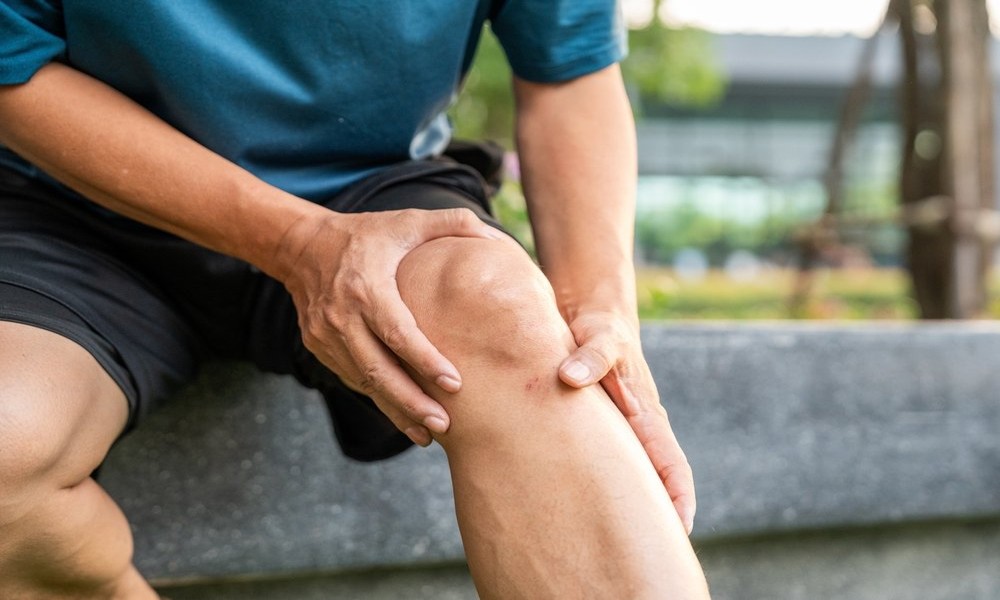
Most people ignore small body aches until everyday activities start feeling uncomfortable. A stiff neck after office work, sore knees while climbing stairs, or lower back tension after long sitting hours often seem harmless at first. Over time, though, these issues can grow into persistent discomfort that affects mobility, sleep, and daily productivity.
Many people still depend only on rest or painkillers when pain appears. While these methods may provide short-term relief, they rarely solve the deeper problem. Muscle and joint discomfort usually develops from a combination of inflammation, poor movement habits, muscle weakness, stress, aging, and limited recovery.
That is why modern wellness conversations now focus more on long-term recovery strategies instead of quick symptom control. In recent years, Red Light Therapy has entered wellness discussions focused on muscle recovery, circulation, and recovery support after physical strain.
Key Takeaways
- Muscle and joint pain often develops from multiple lifestyle factors.
- Painkillers may ease discomfort temporarily but do not address root causes.
- Long periods of inactivity can worsen stiffness and mobility issues.
- Chronic inflammation plays a major role in ongoing pain.
- Recovery improves through movement, sleep, nutrition, and stress management.
- Consistency matters more than short-term relief methods.
Pain Is the Body’s Way of Asking for Attention
Pain rarely appears without a reason. The body uses discomfort as a signal that something needs care or correction.
Tight muscles may result from overuse, poor posture, or repetitive movement. Joint discomfort can develop because of inflammation, weak supporting muscles, or limited flexibility. Ignoring these warning signs for too long often increases strain on the body.
Some people continue pushing through pain until simple activities become difficult. Others rely heavily on medication without understanding why the discomfort keeps returning. Neither approach supports long-term healing.
The first step toward effective recovery is understanding what triggers the pain in the first place.
Why Rest Alone Is Not Enough
Rest can help during the early stages of soreness or injury. However, excessive inactivity often creates new problems.
When the body stays inactive for long periods, muscles lose strength and flexibility. Joints may become stiff, and circulation can slow down. This combination frequently increases discomfort rather than reducing it.
Controlled movement supports recovery because it helps:
- Improve blood flow
- Maintain joint flexibility
- Strengthen surrounding muscles
- Reduce stiffness
- Support mobility
Simple activities such as stretching, walking, mobility exercises, and low-impact strength training often help the body recover more effectively than complete inactivity.
Inflammation Plays a Bigger Role Than Many Realize
Inflammation is one of the most common contributors to muscle and joint discomfort.
Short-term inflammation helps the body repair itself after stress or injury. Problems usually begin when inflammation becomes chronic. Long-term inflammation may continue quietly inside the body and contribute to stiffness, soreness, and reduced mobility.
Several everyday habits can increase inflammatory stress:
- Poor sleep quality
- Highly processed foods
- Chronic stress
- Lack of exercise
- Excessive sitting
- Smoking
This explains why many people notice pain improvement after making healthier lifestyle changes, even before taking medication.
Painkillers Cannot Solve Every Problem
Pain relief medications may reduce discomfort temporarily, especially after injury or physical strain. However, they usually target symptoms instead of the underlying cause.
Long-term dependence on painkillers may also create additional concerns over time. For this reason, many healthcare professionals now encourage a more balanced recovery plan.
That plan may include:
- Physical therapy
- Strength training
- Posture correction
- Mobility exercises
- Better sleep habits
- Anti-inflammatory nutrition
This broader strategy often produces more sustainable results because it supports how the body functions instead of masking discomfort for a few hours.
Recovery Requires More Than Physical Rest
The body heals through several connected systems working together.
Quality sleep helps tissue repair. Hydration supports muscle function. Proper nutrition provides the nutrients needed for recovery. Regular movement improves flexibility and circulation.
Wellness experts have also shown growing interest in supportive therapies that may assist recovery naturally. Discussions around Red Light Therapyoften focus on how certain wavelengths of light may support circulation, tissue recovery, and cellular energy production. While research continues to evolve, many experts view it as part of a broader recovery approach rather than a standalone solution.
Stress Can Make Physical Pain Worse
Stress affects the body physically as well as mentally.
When stress levels stay elevated for long periods, muscles often remain tense. This tension commonly develops in the shoulders, neck, lower back, and jaw area.
Chronic stress may also increase inflammation and reduce the body’s recovery efficiency. That is why stress management often becomes an important part of pain relief plans.
Helpful habits may include:
Small daily improvements can create noticeable long-term benefits.
Final Thoughts
Muscle and joint pain rarely comes from one single cause. In many cases, discomfort develops gradually through inflammation, poor movement habits, stress, muscle weakness, and recovery issues.
Rest and painkillers may help temporarily, but lasting relief usually requires a more complete approach. Movement, recovery support, proper nutrition, and healthy routines all work together to improve how the body functions over time.
As wellness research continues evolving, the focus is shifting away from temporary symptom control and toward helping the body recover in a more sustainable and balanced way.
