

Key Takeaways
- Understanding the specific terms of your dental insurance in Singapore allows you to act quickly during a sudden oral health crisis.
- Mapping out approved emergency dental clinics in advance prevents wasted time and unnecessary out-of-pocket expenses.
- Accurate documentation of the incident and the treatment received is critical for ensuring that insurance claims are processed without delays.
Introduction
Dental emergencies rarely happen at a convenient time, often occurring during late hours or over weekends when most standard offices are closed. Knowing exactly where to go and how to pay for urgent care can make a significant difference in the outcome of your treatment. Many residents carry insurance but remain unsure about the specifics of their coverage until a crisis strikes. This lack of preparation can lead to unnecessary stress and financial strain during an already painful situation.
Defining an Emergency Dental Crisis
An emergency dental situation typically involves severe pain that cannot be managed with over-the-counter medication, uncontrollable bleeding, or a tooth that has been knocked out or fractured. Recognising these signs early allows you to bypass general enquiries and move straight to the urgent care protocols outlined in your insurance plan. Being able to communicate the severity of the situation to the clinic staff will also help you secure an immediate appointment.
The Landscape of Dental Insurance in Singapore
Most people access dental insurance in Singapore through their employers. However, some policies operate on a reimbursement basis, meaning you pay first and claim the costs back later. It is vital to review your policy to see if emergency procedures are included. Some plans may have a waiting period or specific exclusions for pre-existing conditions, so knowing these details beforehand is essential for a smooth financial experience during an emergency.
Locating Clinics with Direct Billing
One of the most efficient ways to handle an emergency dental visit is to find a clinic that offers direct billing with your insurance provider. This arrangement means the clinic coordinates directly with the insurer, reducing the amount of cash you need to provide upfront. When mapping out your coverage, identify which 24-hour or extended-hour clinics are on your insurance panel. Keeping a list of these locations on your phone or fridge can save precious minutes when you are dealing with a painful injury or a broken restoration.
Understanding Co-payments and Deductibles
Even with the best dental insurance in Singapore, there is often a portion of the bill that the patient must cover. A co-payment is a fixed percentage of the total cost, while a deductible is a set amount you must pay before the insurance coverage kicks in. For emergency dental services, these costs might vary depending on whether you visit a private specialist or a general practitioner. Understanding these financial obligations helps you budget for the unexpected.
The Importance of Detailed Invoicing
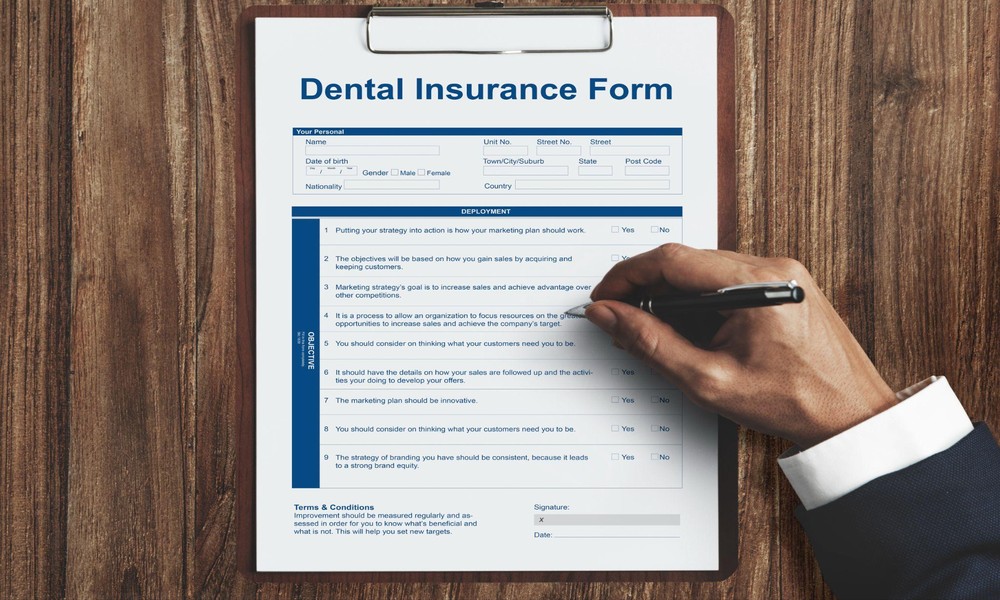
Insurance companies require specific information, including the diagnosis, the tooth number involved, and the exact procedure codes for the treatment provided. If the emergency was the result of an accident, such as a fall or a sports injury, you might also need to provide a brief statement explaining how the trauma occurred. Most reputable clinics are well-versed in providing the necessary paperwork for insurance claims, but it is always wise to double-check that all signatures and clinic stamps are present before you leave the premises.
Limitations on Cosmetic Emergency Fixes
It is a common point of confusion whether an emergency dental visit covers aesthetic repairs. Most dental insurance in Singapore prioritises functional and pain-relieving treatments over purely cosmetic ones. If you find yourself in a situation where a cosmetic piece has failed, you should clarify with your insurer if the restorative aspect of the fix allows for a claim. Understanding this distinction prevents disappointment when the bill arrives and helps you prioritise treatments based on both health and financial feasibility.
Developing a Family Dental Crisis Plan
Preparation is the best antidote to the panic that often accompanies a dental injury. You should also keep a small emergency kit at home that includes gauze, a small container for a knocked-out tooth, and the contact details of your primary dentist. By taking these proactive steps, you can turn a potential disaster into a manageable situation with a clear path to recovery.
Conclusion
A dental emergency can be a daunting experience, but having a clear map of your insurance coverage and clinic options provides a sense of control. Remember to distinguish between urgent and non-urgent needs, keep your documentation in order, and stay informed about the specifics of your policy. Oral health is an integral part of your overall well-being, and being prepared for the unexpected is the best way to protect your smile.
If you are facing an urgent oral health issue or want to plan ahead, contact Happy Teeth Dental Clinic for guidance today.
