

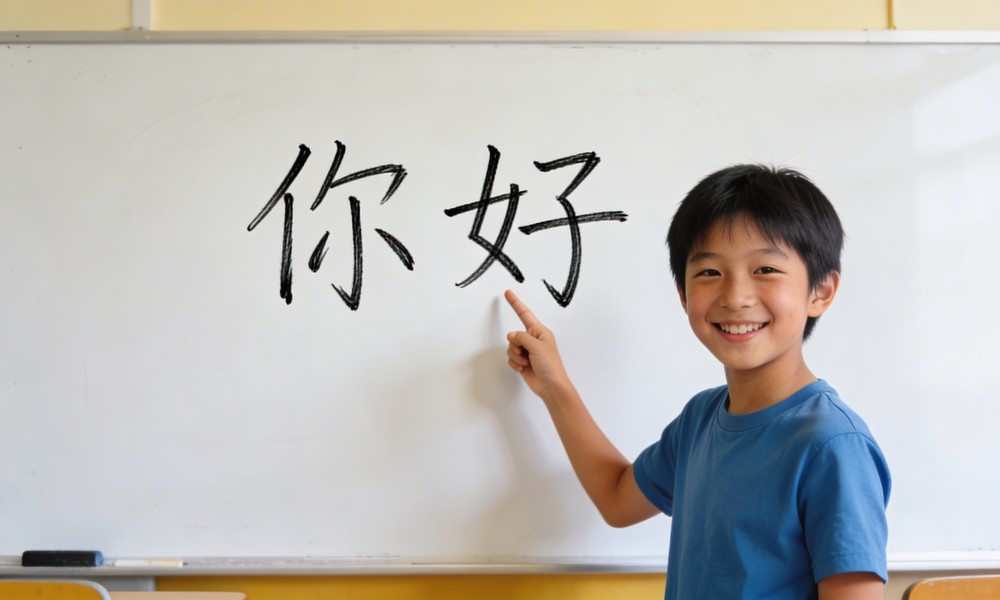
Key Highlights
- Enrichment programmes provide a structured approach to character recognition and basic writing skills for K2 students.
- Immersive environments help children develop better listening comprehension before they enter primary school.
- Early exposure to Mandarin through enrichment fosters cognitive flexibility and problem-solving skills.
- Targeted K2 classes focus specifically on the vocabulary and grammar needed for the Primary One transition.
Introduction
The transition from kindergarten to primary school is one of the most significant milestones in a child’s early life. In Singapore, this transition often comes with a steep increase in academic expectations, particularly in the Mother Tongue subjects. For many parents, ensuring that their child is ready for the rigours of the national curriculum starts with preschool Chinese enrichment in Singapore. These programmes supplement the basic foundations laid in childcare centres, providing a more intensive and focused approach to language acquisition. As children reach the Kindergarten (K2) level, the focus shifts from simple play to more structured literacy and communication skills. A dedicated Chinese enrichment class for K2 serves as a critical stepping stone, ensuring that students thrive within primary school.
Strengthening Literacy and Character Recognition
One of the primary challenges for young learners in Mandarin is the complexity of the writing system. Unlike phonetic languages, Mandarin requires memorising distinct characters, which can be overwhelming for a child without proper guidance. Effective preschool Chinese enrichment in Singapore introduces characters through visual associations, storytelling, and stroke-order practice. For a student in a Chinese enrichment class for K2, the curriculum often includes high-frequency words that they will encounter in their Primary One textbooks. By building a solid sight word bank before they even start primary school, children gain a sense of accomplishment. This early literacy foundation makes reading comprehension much less intimidating when they eventually move into more advanced academic stages.
Enhancing Oral Fluency and Listening Skills
In many Singaporean households, English is the dominant language, which can lead to a lack of confidence in speaking Mandarin. Preschool enrichment programmes provide an immersive environment where children are encouraged to communicate entirely in Chinese. This consistent practice is essential for developing an ear for the language, allowing children to distinguish between different tones and sounds accurately. In a Chinese enrichment class for K2, students often participate in show-and-tell sessions, group discussions, and role-playing exercises. These activities expand their vocabulary beyond basic needs and into the realm of descriptive and expressive language. The ability to express thoughts clearly in Mandarin is a massive confidence booster that carries over into their future school performance.
Cognitive Benefits of Early Bilingualism
Beyond the immediate academic advantages, preschool Chinese enrichment in Singapore offers significant cognitive benefits. Research has shown that children who learn a second language from a young age develop better executive function, including improved memory, attention, and problem-solving abilities. Learning Mandarin, with its unique tonal system and logographic script, provides a particularly vigorous mental workout. For a child in a Chinese enrichment class for K2, these cognitive gains translate to a better ability to switch between tasks and process information more efficiently. These skills are transferable to other subjects such as Mathematics and Science, making the investment in Chinese enrichment a holistic boost for the child’s overall intellectual development.
Easing the Emotional Transition to Primary One
The jump from the play-oriented environment of preschool to the more structured world of primary school can be stressful for some children. One of the best ways to reduce this anxiety is to ensure the child feels competent in the subjects they will be studying. By attending a Chinese enrichment class for K2, students become familiar with the format of a more formal lesson. They learn how to follow instructions in Mandarin, complete worksheets, and engage in structured classroom activities. When they enter Primary One, they find they are already comfortable with the language requirements, which allows them to spend more emotional energy on making new friends and adjusting to their new school routine. This sense of readiness is invaluable for a smooth and happy start to their formal education.
Conclusion
Preschool Chinese enrichment in Singapore is far more than just an extra class; it is a foundational experience that prepares a child for the future. By focusing on literacy, oral fluency, and cognitive growth during the crucial K2 year, these programmes ensure that students are well-equipped for the challenges ahead. Parents who prioritise early language enrichment provide their children with the tools to excel academically and the confidence to embrace their cultural heritage. In the long run, the skills developed in these early years will pave the way for a more successful and less stressful educational journey. Taking the step to enrol a child in a targeted enrichment programme is a proactive move toward ensuring lifelong bilingual proficiency.
Contact Choice Hua Sheng Education Centre to find out how our Chinese enrichment class for K2 can prepare your child for a successful primary school journey.
